
Estate Planning Lawyer in Cortland, NY
Thoughtful estate planning provides clarity and security for your family and your assets. In Cortland, New York—a community anchored by institutions like the State University of New York at Cortland and a strong agricultural heritage—many families, business owners, and retirees seek legal guidance to put lasting plans in place. Law Offices Of SRIS, P.C. offers experienced, multi-state counsel. Mr. Sris and the firm’s Of Counsel attorneys work with clients throughout Cortland County, addressing wills, trusts, powers of attorney, health care proxies, probate avoidance, and long‑term care considerations. The firm’s Central New York presence, including the Cortland location at 46 Greenbush Street, Suite 301, allows convenient, by‑appointment meetings. To discuss your estate planning goals, reach Law Offices Of SRIS, P.C. at (888) 437‑7747. Law Offices Of SRIS, P.C. – Advocacy Without Borders.
What Estate Planning Means in Cortland, New York
Estate planning is the process of preparing for the management and transfer of your assets during life and after death. In Cortland County, this often involves a will—a foundational document that directs the distribution of property under the supervision of the Cortland County Surrogate’s Court. Many residents also use a revocable living trust to hold assets during their lifetime and determine how those assets will be managed and distributed, often without the need for court involvement. The goal is to match legal tools to personal values.
Cortland’s demographics shape the estate planning conversation. A significant number of families have aging parents who may require protective arrangements; young families focus on naming guardians for minor children. Business owners—from Main Street shops to farm operations—consider succession strategies that protect both the enterprise and the next generation. Mr. Sris and the firm’s Of Counsel attorneys have experience navigating these varied scenarios and appear regularly in the Surrogate’s Court for Cortland County, as well as in the Supreme Court for proceedings that intersect with estate matters.
New York’s estate planning framework includes statutory tools such as the durable general power of attorney (N.Y. Gen. Oblig. Law § 5-1501 et seq.), the health care proxy (N.Y. Pub. Health Law § 2980 et seq.), and the living will, each of which addresses incapacity planning. The Surrogate’s Court Procedure Act governs probate and administration proceedings. Estate tax considerations—both the New York estate tax, which applies to estates exceeding a threshold set by state law, and the federal estate tax—are also an integral part of planning for many Cortland County families. The firm’s approach is to build a plan that reflects each client’s unique priorities while remaining within the applicable legal framework.
How Mr. Sris and the Firm’s Of Counsel Attorneys Handle Estate Planning Matters
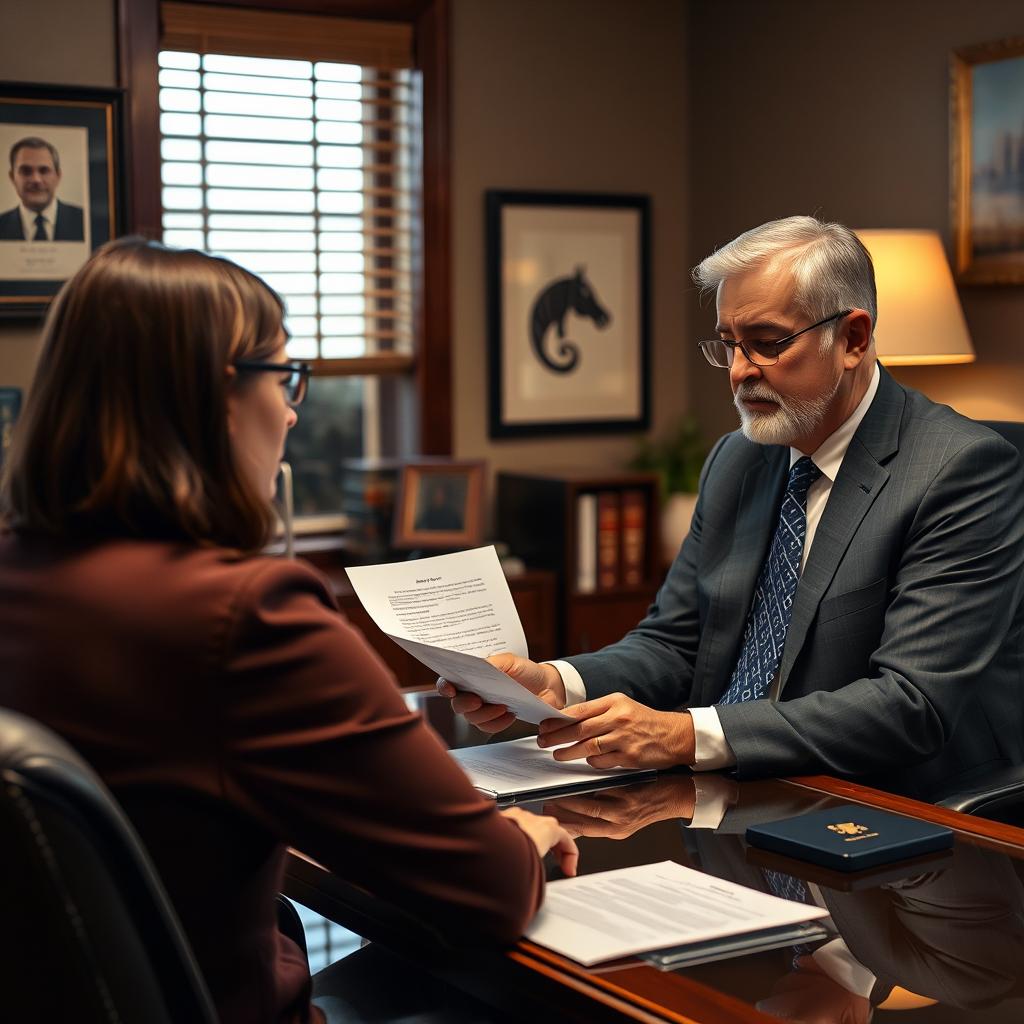
When a client reaches out to Law Offices Of SRIS, P.C. about estate planning, the first step is a detailed conversation. Mr. Sris and the firm’s Of Counsel attorneys listen to the client’s concerns—about family dynamics, asset types, long‑term care needs, and end‑of‑life wishes. This information shapes the plan. The team then drafts the appropriate documents, reviewing them clause by clause with the client, and coordinates the proper execution of those documents under New York law.
For many Cortland clients, a revocable living trust serves as the centerpiece of the plan. The trust can own real estate, bank accounts, and investments, allowing the trustee to manage those assets if the client becomes incapacitated and to transfer them after death without the need for probate administration in the Surrogate’s Court. The firm also prepares pour‑over wills, which catch any assets not transferred into the trust, ensuring they are distributed according to the client’s overall plan. Powers of attorney and health care proxies provide immediate protection if an unexpected illness or accident occurs.
The firm’s work often extends beyond document drafting. Mr. Sris and the Of Counsel attorneys assist with funding the trust—retitling assets—and provide guidance to successor trustees and executors when the time comes. For clients who have already suffered a loss, the firm assists with the probate process, helping families navigate the Surrogate’s Court calendar and requirements. Throughout, the firm focuses on achieving the client’s objectives while complying with New York’s procedural rules. Past results do not guarantee a similar outcome.
About Mr. Sris and the Firm’s Of Counsel Attorneys
Law Offices Of SRIS, P.C. was founded in 1997. Mr. Sris, Owner and Founder of the firm, is admitted to practice in New York, Virginia, Maryland, the District of Columbia, and New Jersey. A former prosecutor, he has extensive trial and transactional experience. Mr. Sris testified before the Virginia House Courts of Justice Committee in support of 2019 HB 635 (chief patron Del. David Bulova).
The firm’s Of Counsel attorneys bring additional perspective to estate planning matters. They have backgrounds in probate administration, trust drafting, elder law, and related fields. Together, Mr. Sris and the Of Counsel attorneys draw on extensive combined legal experience to serve individuals and families throughout Central New York, including Cortland County and neighboring Broome County. The firm’s Cortland location at 46 Greenbush Street, Suite 301, is open by appointment. For a confidential discussion about your estate planning goals, call (888) 437‑7747.
Frequently Asked Questions
Do I need a lawyer to create a will in Cortland, New York?
New York law permits an individual to create a will without an attorney, provided they meet the statutory requirements for execution and testamentary capacity. However, a properly drafted will prepared with legal guidance helps ensure that your wishes are carried out and that the will can withstand potential challenges. An experienced estate planning attorney can identify issues such as conflicting beneficiary designations, tax implications, and the need for testamentary trusts that a non‑lawyer might overlook. Meeting with Mr. Sris and the firm’s Of Counsel attorneys allows you to address these considerations from the start.
What is the difference between a will and a living trust in New York?
A will takes effect only after death and must be admitted to probate in the Surrogate’s Court, while a living trust can manage assets during your lifetime and transfer them after death without court involvement. A living trust typically avoids the public nature of probate and can provide uninterrupted management of your assets if you become incapacitated. Both documents can work together. Mr. Sris and the firm’s Of Counsel attorneys help Cortland clients evaluate whether a trust‑based plan, a will‑based plan, or a combination is appropriate given their family circumstances and asset mix.
How does the New York estate tax affect Cortland County residents?
New York imposes an estate tax on estates that exceed a certain value—set by state law and adjusted periodically—and the tax applies to the entire estate once the threshold is crossed. This feature, often described as a “cliff,” can create a significant liability for estates just over the limit. Federal estate tax applies at a far higher threshold. Effective estate planning can help reduce or defer these taxes through the use of trusts, lifetime gifts, and other strategies. The firm discusses these options during the planning process.
What is a health care proxy and why does my Cortland family need one?
A health care proxy is a New York legal document that designates an agent to make medical decisions on your behalf if you are unable to do so yourself. Without a valid proxy, a court proceeding under Article 81 of the Mental Hygiene Law may be required to appoint a guardian—a process that can be time‑consuming and expensive. For many Cortland families, especially those with aging parents or young adult children, a health care proxy provides peace of mind. The firm prepares tailored health care proxies and couples them with living wills and powers of attorney for a complete incapacity plan.
What should I bring to an estate planning consultation in Cortland?
Come prepared with a list of your assets—real estate, bank accounts, retirement accounts, life insurance policies, and business interests—along with approximate values and how each asset is titled. Also bring names and contact information for the individuals you intend to appoint as executor, trustee, guardian for minor children, and agents under powers of attorney and health care proxies. If you have an existing will or trust, bring those documents as well. The initial meeting is an opportunity to discuss your goals and ask questions. To schedule a consultation at the firm’s Cortland location, call (888) 437‑7747.
Can an estate plan help protect a family farm or business in Cortland County?
Yes, a properly structured estate plan can help preserve a family farm or business for the next generation while reducing tax exposure and minimizing family conflict. Tools such as family limited partnerships, installment sales to intentionally defective grantor trusts, and business succession agreements are commonly used in farm and small‑business transitions. Mr. Sris and the firm’s Of Counsel attorneys have experience with succession planning and work with clients’ financial and tax advisors to integrate the legal plan with overall business strategy. Early planning is key.
Trust and Estate Planning in Cortland | Probate Representation in Broome County | Guardianship Matters in Cortland | Elder Law Guidance for Central New York
Attorney advertising. Prior results do not guarantee a similar outcome. Case results depend on a variety of factors unique to each case. Attorney responsible for this advertising: Mr. Sris. Results may vary. Law Offices Of SRIS, P.C., 46 Greenbush Street, Suite 301, Cortland, NY 13045 — By appointment. Call (888) 437‑7747. The Cortland office is approximately 150 miles from Buffalo and 150 miles from New York City.