
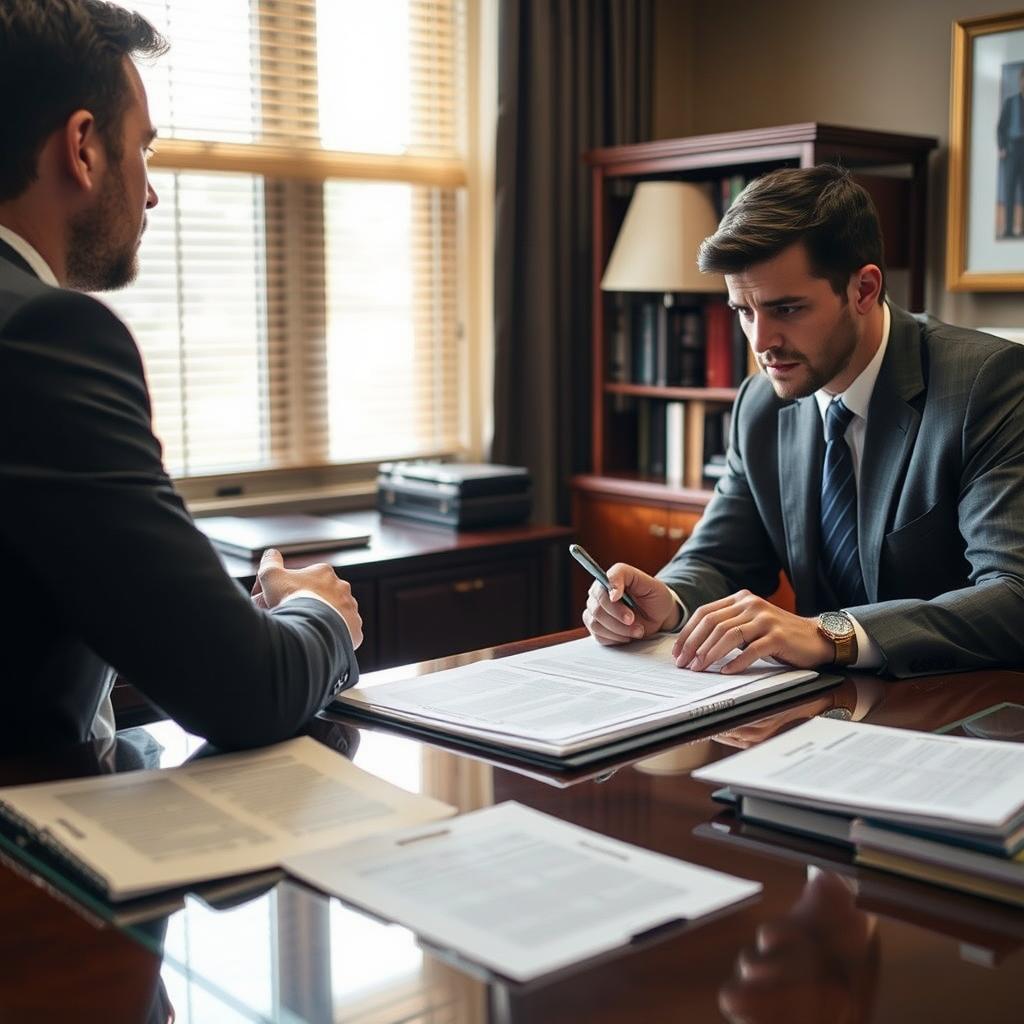
Federal Grand Jury Lawyer Passaic County, NJ
If you have received a grand jury subpoena, a target letter, or have reason to believe you may be under federal investigation in Passaic County, New Jersey, you need experienced legal guidance immediately. A federal grand jury investigation is a serious matter that can lead to felony charges prosecuted in the United States District Court for the District of New Jersey. Mr. Sris and his Of Counsel represent individuals and businesses across Passaic County—including Paterson, Clifton, Wayne, and surrounding communities—who are facing federal grand jury proceedings. The firm’s New Jersey location represents clients in all stages of a federal criminal matter, from the initial investigation through indictment, trial, and sentencing. For a consultation, call (888) 437-7747. Law Offices Of SRIS, P.C. – Advocacy Without Borders.
What a Federal Grand Jury Investigation Means
A federal grand jury is a panel of citizens convened by a United States Attorney to hear evidence and determine whether probable cause exists to bring criminal charges. Unlike a trial jury, a grand jury does not decide guilt or innocence—it decides whether an indictment should issue. Proceedings are secret, and neither the target of the investigation nor defense counsel is present in the grand jury room. However, an experienced defense attorney plays a critical role outside the room by advising witnesses, negotiating with prosecutors, and working to shape the narrative before charges are filed.
For residents of Passaic County, most federal grand jury matters are handled through the Newark division of the U.S. District Court for the District of New Jersey. The U.S. Attorney’s Office in Newark routinely requests grand jury subpoenas, calls witnesses, and presents evidence to support potential indictments for offenses ranging from healthcare fraud and money laundering to drug trafficking and public corruption. Being contacted by a federal agent or receiving a subpoena is often the first sign that you are a target or a witness. Early intervention from counsel experienced in federal criminal defense can help protect your rights, preserve evidence, and, in some cases, avert an indictment altogether.
How Mr. Sris and His Of Counsel Handle Federal Grand Jury Matters
Mr. Sris, a former prosecutor, founded Law Offices Of SRIS, P.C. in 1997. He and his Of Counsel bring multi-state experience to federal criminal defense and understand the strategies federal prosecutors use when building a case. When you engage the firm, your counsel will immediately assess the scope of the investigation, review any subpoena or target letter you have received, and advise you on whether and how to cooperate, assert Fifth Amendment protections, or negotiate with the government before an indictment is returned.
The team works to uncover weaknesses in the government’s case at the earliest possible stage. That may involve conducting a parallel investigation, interviewing potential witnesses, challenging the sufficiency of the evidence, or raising procedural and constitutional objections. In many instances, effective advocacy at the grand jury stage results in a decision not to indict, a reduced charge, or a deferred prosecution agreement. If an indictment is returned, the firm represents clients in all further proceedings in the U.S. District Court in Newark, including detention hearings, discovery, motion practice, trial, and sentencing. Throughout the process, the goal is to achieve favorable outcomes under the circumstances.
If you are facing a federal grand jury investigation in Passaic County, contact the firm’s New Jersey location by calling (888) 437-7747 to schedule a consultation.
Frequently Asked Questions
1. What is a target letter in a federal investigation?
A target letter is a written notice from a federal prosecutor informing you that you are a target of a grand jury investigation. It typically invites you to meet with prosecutors or to testify before the grand jury. Receiving a target letter means the government has substantial evidence linking you to a crime. You should not speak with investigators or prosecutors without counsel present. Contact an experienced federal defense attorney immediately to protect your rights and evaluate your options.
2. What should I do if I receive a federal grand jury subpoena?
If you receive a grand jury subpoena, do not ignore it, and do not speak with federal agents or prosecutors without your attorney. A subpoena can require you to produce documents, testify, or both. An attorney can help you determine how to respond, whether there are grounds to quash or limit the subpoena, and whether asserting the Fifth Amendment privilege is appropriate. Early legal guidance is critical to avoid inadvertently waiving rights or providing evidence that may be used against you.
3. Can a federal grand jury indictment be prevented?
Yes, in some cases an indictment can be avoided through early intervention by defense counsel. By presenting exculpatory evidence, challenging the credibility of government witnesses, or negotiating a pre-indictment resolution such as a deferred prosecution agreement, an attorney may persuade the prosecutor not to seek an indictment. Success depends on the facts of the case, the strength of the government’s evidence, and the skill of defense counsel.
4. What is the difference between a witness, a subject, and a target?
A witness is a person who may have information about a crime but is not believed to have committed one. A subject is someone whose conduct falls within the scope of the grand jury investigation but for whom prosecutors have not yet decided whether to seek an indictment. A target is a person against whom the prosecutor has substantial evidence linking them to a criminal offense. Your status determines the level of risk you face and how your attorney should approach the investigation.
5. Do I have to testify if subpoenaed to a federal grand jury?
Not if you have a valid basis to refuse, such as the Fifth Amendment privilege against self-incrimination. A witness may assert the privilege if truthful testimony could expose the witness to criminal prosecution. However, the government may grant immunity to compel testimony, in which case you can no longer assert the Fifth Amendment. An attorney can advise you on whether to invoke the privilege and can negotiate the scope of any immunity or proffer agreement with prosecutors.
6. How does a federal grand jury proceeding work in Passaic County?
For Passaic County residents, federal grand jury investigations are typically handled by the U.S. Attorney’s Office in Newark. A grand jury of 16 to 23 citizens hears evidence presented by the prosecutor, who calls witnesses and introduces documents. The grand jury votes on whether to issue an indictment. The entire process is secret, and defense counsel cannot be present. However, an attorney can still influence the outcome by engaging with the prosecutor before a charging decision is made.
7. What types of crimes do federal grand juries investigate?
Federal grand juries investigate a wide range of offenses, including white-collar crimes such as mail fraud, wire fraud, securities fraud, and money laundering, as well as drug trafficking, healthcare fraud, public corruption, and weapons offenses. Any alleged violation of federal law that carries the possibility of felony punishment can be presented to a grand jury. The U.S. Attorney’s Office for the District of New Jersey is particularly active in investigating financial crimes and public corruption.
8. Can my attorney be present during my grand jury testimony?
No, defense counsel cannot enter the grand jury room. However, a witness may consult with an attorney outside the grand jury room before answering a question. If you are subpoenaed to testify, your attorney can prepare you extensively, accompany you to the courthouse, and advise you during breaks. Having an experienced federal defense attorney available to provide immediate guidance is essential to protecting your rights and avoiding missteps.
9. What happens after a federal indictment is returned?
After an indictment, the defendant is arraigned, enters a plea, and the case proceeds to pretrial litigation. This includes discovery, motions to suppress evidence, motions to dismiss charges, and potential plea negotiations. If no plea is reached, the case goes to trial before a district judge. An attorney will represent the defendant at every stage, working toward a dismissal, acquittal, or favorable sentencing outcome under the advisory United States Sentencing Guidelines.
10. How do I choose a federal grand jury lawyer in Passaic County?
Choose counsel who is admitted to practice in federal court, has experience with grand jury investigations, and understands the local practices of the U.S. District Court for the District of New Jersey. Mr. Sris and his Of Counsel handle federal criminal matters across New Jersey. They bring multi-state experience and a background that includes former prosecution experience, which offers insight into how federal cases are built. For a consultation, call (888) 437-7747.
Nearby Counties We Serve
In addition to Passaic County, individuals and businesses facing federal grand jury investigations in nearby counties can turn to Law Offices Of SRIS, P.C. for representation. Learn more about our federal criminal defense services in these locations:
- Federal Criminal Lawyer Bergen County, NJ
- Federal Criminal Lawyer Morris County, NJ
- Federal Criminal Lawyer Monmouth County, NJ
- Federal Criminal Lawyer Somerset County, NJ
- Federal Criminal Lawyer Hunterdon County, NJ
For matters in any New Jersey county, reach the firm’s New Jersey location by calling (888) 437-7747. Consultation by appointment.