
Classified Materials Lawyer Cumberland County, VA
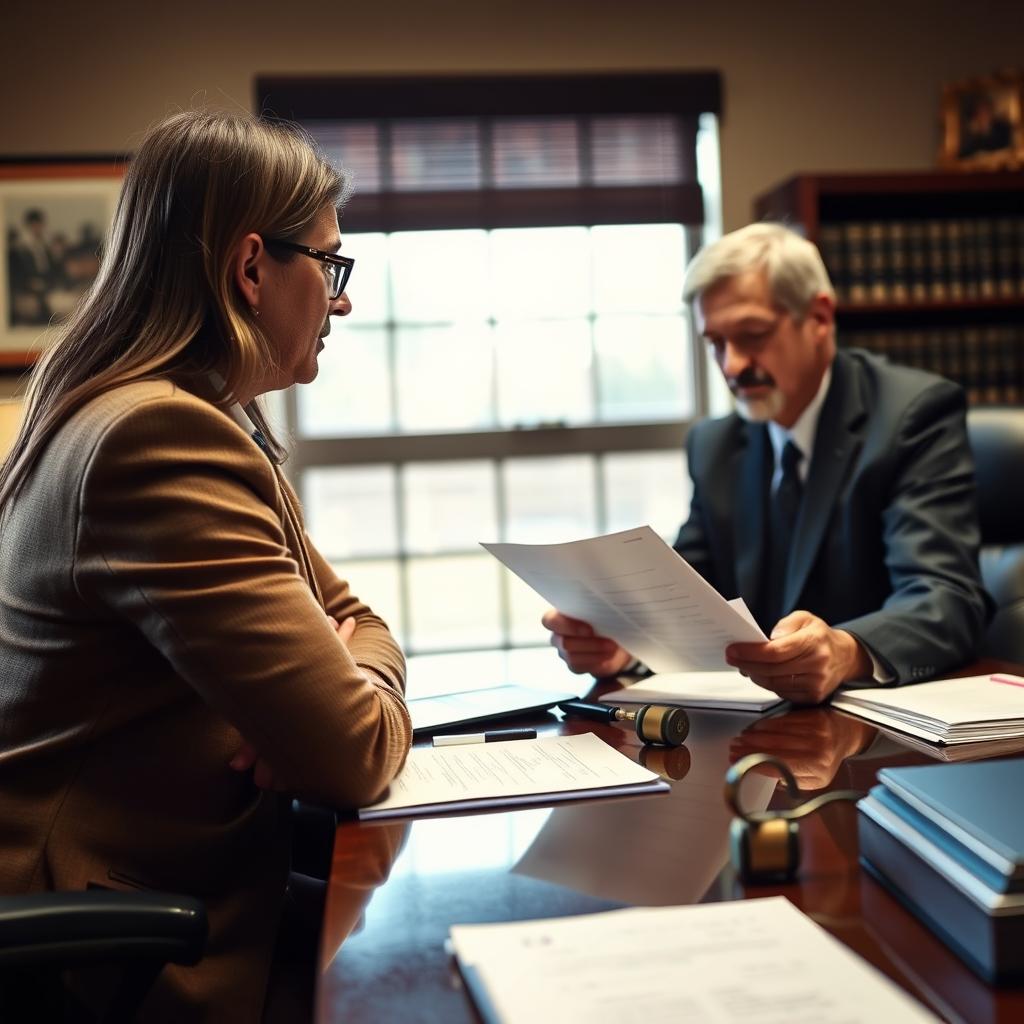
You receive a knock at the door from two federal agents. They ask about classified documents you handled at a Virginia defense contractor. The questions turn pointed, then accusatory. Within days, you are facing a grand jury investigation in the Western District of Virginia for allegedly mishandling national defense information under 18 U.S.C. § 793. The stakes could not be higher—a conviction carries a maximum penalty of death or life imprisonment. You need counsel who understands both the substance of the espionage statutes and the procedural landscape of the U.S. District Court for the Western District of Virginia. At Law Offices Of SRIS, P.C., Mr. Sris and his Of Counsel team provide experienced federal criminal defense representation for people in Cumberland County and across Virginia. Contact our firm at (888) 437-7747 to request a consultation. Law Offices Of SRIS, P.C. – Advocacy Without Borders.
Strategy Options for Classified Materials Cases
Every federal classified materials case turns on a small set of critical questions. Was the material actually “classified” under the operative executive order? Did the person charged have the requisite intent to harm the United States or to help a foreign power? Was there an authorized holder who acted within the scope of their clearance? Mr. Sris and his Of Counsel work through each question methodically. They examine the classification guide that assigned the original level, the chain of custody of the documents, and whether the government can prove that the individual knew the material was “national defense information” under the statute. In some cases the defense may focus on challenging the classification itself as procedurally defective; in others, it may center on the absence of willful transmission or retention. Every path is evaluated with a careful eye toward the Federal Rules of Criminal Procedure and the unique protections of the Classified Information Procedures Act (CIPA), which governs how classified evidence is used at trial.
What to Expect When the Government Investigates
A federal classified materials investigation often proceeds quietly. FBI agents may interview you at home or at work before a formal charge is filed. If you are contacted, it is critical to exercise your right to remain silent and to consult with an experienced defense attorney before any substantive conversation. Once charges are brought, the case is prosecuted by the U.S. Attorney’s Office in the Western District of Virginia. Pretrial proceedings can involve extensive litigation under CIPA—the government must disclose to the court the classified information it intends to offer, and the defense may seek access to exculpatory classified materials. Motions practice often shapes the scope of discovery and the admissibility of evidence. Trial is conducted in the District’s courthouse in Roanoke, with special procedures to protect national security. Mr. Sris and his Of Counsel appear at every stage, from initial appearance through sentencing or appeal, working to protect your rights throughout the process.
Penalties and Collateral Consequences
Federal espionage and related offenses carry severe potential sentences. Under 18 U.S.C. § 793, the maximum punishment for disclosing or losing national defense information is death or life imprisonment. Even lesser-included charges—such as unauthorized possession or removal of classified material—can result in decades of incarceration. Beyond imprisonment, a conviction may strip you of your security clearance, end your career, and impose lifelong federal firearms disabilities. The Federal Sentencing Guidelines further escalate potential prison time based on the sensitivity of the information and the nature of the disclosure. Results may vary. For a full statutory breakdown of the espionage statutes and related federal offenses, see our comprehensive analysis on srislawyer.com.
About Mr. Sris and His Of Counsel Team
Mr. Sris, Owner and Founder of Law Offices Of SRIS, P.C., has practiced criminal defense since 1997. He is a former prosecutor who draws on firsthand prosecutorial experience to construct defense strategies in serious federal matters. Mr. Sris is admitted to practice in Virginia, Maryland, the District of Columbia, New Jersey, and New York, and he leads a team of experienced Of Counsel attorneys. Together they bring extensive combined legal experience to federal criminal defense work, including cases involving classified information and national security offenses. Mr. Sris and his Of Counsel approach each case collaboratively, evaluating the government’s evidence, identifying procedural weaknesses, and working toward a favorable resolution. The firm’s Shenandoah location—505 N Main St, Suite 103, Woodstock, VA 22664—is by appointment only. Every consultation is kept confidential.
Frequently Asked Questions
What is a classified materials offense under federal law?
A classified materials offense generally involves the unauthorized gathering, transmitting, or losing of national defense information. The primary statute is 18 U.S.C. § 793 (the Espionage Act), which criminalizes conduct from physical theft of documents to grossly negligent handling that results in unauthorized disclosure. The government must prove that the material relates to the national defense and that the defendant acted with an unlawful intent or a willful disregard of security protocols. Related statutes include 18 U.S.C. § 798 (disclosure of classified cryptographic information) and 18 U.S.C. § 1924 (unauthorized removal and retention of classified material). The scope of these laws is broad, and an experienced federal defense attorney can evaluate whether the charged conduct falls within their reach.
What should I do if federal agents contact me about classified documents?
If federal agents contact you, remain silent and ask to speak with an attorney before answering any questions. Anything you say can be used as evidence in a criminal prosecution. Do not consent to a search of your home, vehicle, or electronic devices unless law enforcement presents a warrant. Contact an experienced criminal defense lawyer immediately. Early legal intervention can shape the course of the investigation, from negotiating the scope of any subpoena or search warrant to setting up a voluntary interview in a controlled environment with counsel present.
Can I be charged with espionage just for possessing classified information?
Possession of classified information, by itself, is not necessarily an espionage offense. Federal law requires additional elements, such as willful transmission to an unauthorized person, retention with intent to injure the United States, or gross negligence resulting in disclosure. Mere possession without an intentional act may be charged under 18 U.S.C. § 1924 (unauthorized removal and retention), which carries up to five years in prison. However, prosecutors often look for evidence of intent, such as communications or attempts to access information beyond the person’s authorized need to know, to build a more serious case under the Espionage Act.
How does the Classified Information Procedures Act affect my case?
The Classified Information Procedures Act (CIPA) sets special rules for handling classified evidence at trial. It requires the defense to give pre-trial notice if it plans to disclose classified information, and it allows the court to hold closed sessions to review classified materials. The government may substitute an unclassified summary of the information if the court finds it does not prejudice the defense. CIPA does not alter substantive liability, but it significantly shapes trial strategy. Experienced counsel will navigate these procedures to ensure your right to a fair trial is preserved while protecting sensitive information.
Do I need a lawyer if I am under investigation for handling classified materials?
Yes, you need a lawyer the moment you suspect you are under investigation. Federal classified materials investigations often proceed for months before charges are filed. During that time, prosecutors may present evidence to a grand jury, and you may be unaware of the developing case. An attorney can engage with the government early, potentially persuading prosecutors not to bring charges or to seek a less serious resolution. If charges are inevitable, early representation ensures that motions to dismiss, challenges to evidence, and plea negotiations are pursued before the trial posture hardens.
What is the role of the Western District of Virginia in classified materials cases?
The U.S. District Court for the Western District of Virginia has jurisdiction over federal criminal cases originating in Cumberland County and surrounding areas. The main courthouse sits in Roanoke, with divisional offices in Charlottesville, Lynchburg, Abingdon, Harrisonburg, and Big Stone Gap. Cases are assigned to district judges who handle everything from initial appearance through trial and sentencing. The U.S. Attorney’s Office in the Western District prosecutes all such matters. Familiarity with the local judges, courtroom procedures, and the internal workings of the USAO is a practical advantage that Mr. Sris and his Of Counsel bring to every client they represent in the District.
If you face allegations involving classified information, speak with a federal defense attorney before making any statement to law enforcement. To discuss your situation in a confidential setting, contact Law Offices Of SRIS, P.C. at (888) 437-7747. Our Shenandoah location is by appointment only.
Shenandoah Location
505 N Main St, Suite 103
Woodstock, VA 22664
(888) 437-7747
By appointment only.
Attorney advertising. Prior results do not guarantee a similar outcome. Attorney responsible for this advertising: Mr. Sris. Results may vary.
Case results depend on a variety of factors unique to each case.