
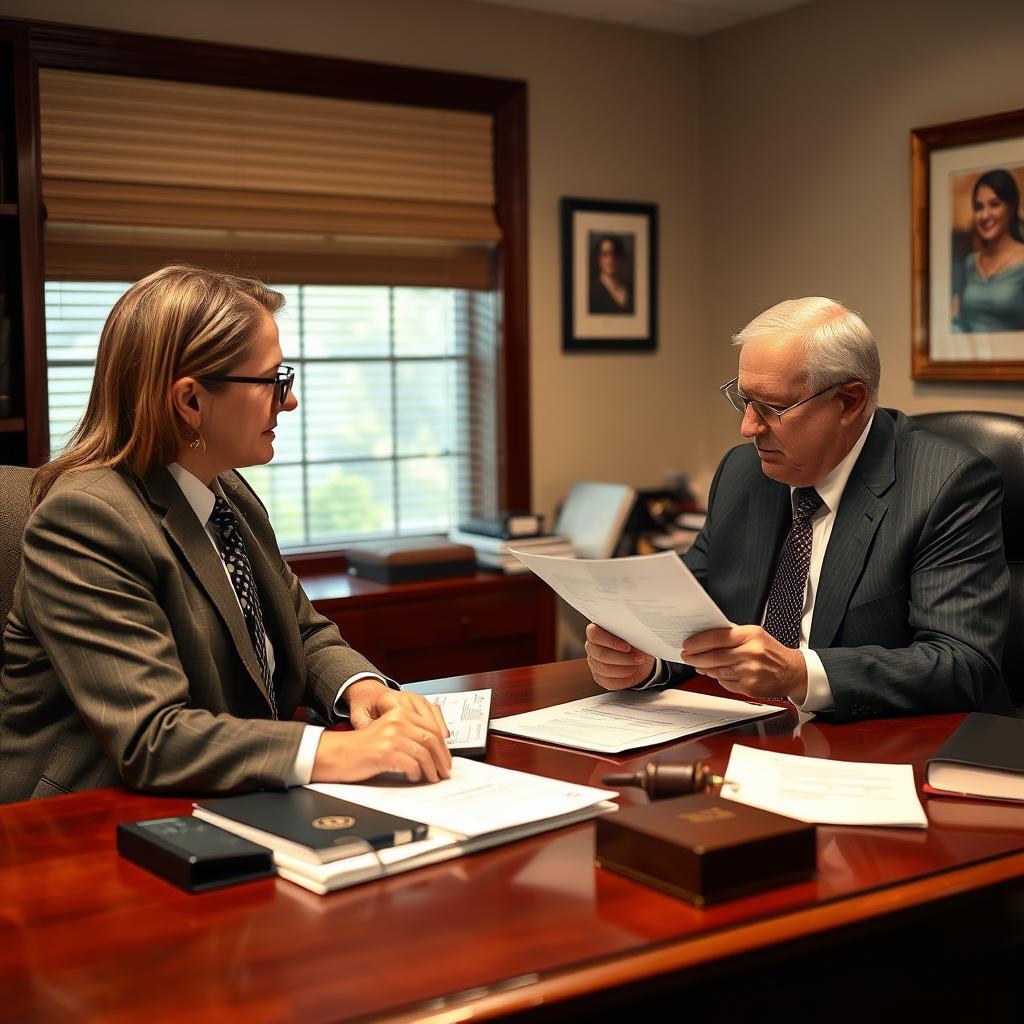
Parole Hearing Lawyer Middlesex County
You need a Parole Hearing Lawyer Middlesex County to fight for your release. The New Jersey State Parole Board decides if you get parole. Law Offices Of SRIS, P.C. —Advocacy Without Borders. Our lawyers know the Middlesex County parole process. We prepare strong cases for the parole board. We argue for your release based on your record and plans. A parole hearing lawyer near me Middlesex County can make the difference. (Confirmed by SRIS, P.C.)
Statutory Definition of Parole in New Jersey
New Jersey parole is governed by Title 30 of the New Jersey Statutes and the administrative code of the New Jersey State Parole Board. Parole is not a right but a discretionary release granted by the board. It allows an inmate to serve the remainder of their sentence under supervision in the community. The board’s decision hinges on whether release poses a risk to public safety. They also assess if the inmate can live lawfully and comply with parole conditions. The statutory framework sets the rules for eligibility, hearings, and supervision. A Parole Hearing Lawyer Middlesex County must master these rules to build a case.
N.J.S.A. 30:4-123.51 et seq. — Discretionary Release — Continued Incarceration Possible. The New Jersey Parole Act of 1979 establishes the parole system. The New Jersey State Parole Board holds exclusive authority to grant parole. The board operates under its own thorough administrative code, N.J.A.C. 10A:71. This code details every step from application to final hearing. Maximum penalties for parole violations include return to custody to serve the remaining sentence. A parole hearing is a critical legal proceeding, not an informal interview.
Who is eligible for a parole hearing in Middlesex County?
Eligibility is determined by your sentence and time served. Inmates serving specific New Jersey State Prison sentences become eligible at their parole eligibility date. This date is calculated by the Department of Corrections. Certain crimes have mandatory minimum periods before parole consideration. The board will not schedule a hearing before this date. Your parole hearing lawyer near me Middlesex County reviews your sentencing documents. They confirm your correct eligibility date with the institution.
What is the legal standard for granting parole?
The board must find a reasonable expectation you will not violate the law. They must also believe you can be supervised successfully. The board examines the nature and circumstances of your offense. Your prior criminal record is a major factor. Your institutional behavior and efforts at rehabilitation are critical. Your parole plans, including housing and employment, are heavily weighed. An affordable parole hearing lawyer Middlesex County prepares evidence on all these points.
What happens if parole is denied?
The board will issue a Future Eligibility Term (FET). This is the number of months or years before your next hearing. The FET can range from 12 months to the legal maximum. A denial means you remain incarcerated for at least that FET period. The board’s decision can be appealed administratively. A strong legal argument from your lawyer can sometimes reduce a long FET. You need a lawyer who understands how the Middlesex County board panel makes these decisions.
The Insider Procedural Edge in Middlesex County
Parole hearings for Middlesex County inmates are typically held at the New Jersey State Parole Board’s hearing rooms or via video conference from the correctional facility. The procedural path is strict and deadlines are absolute. Missing a document submission deadline can delay your hearing for months. The board’s staff in Trenton manages the docket and paperwork. Your attorney must know how to handle this state-level bureaucracy efficiently. Procedural specifics for Middlesex County are reviewed during a Consultation by appointment at our Middlesex County Location.
What is the typical timeline for a parole hearing?
The process starts months before your eligibility date. The institution prepares a dossier for the board. Your lawyer must submit a formal advocacy packet well in advance. This packet includes letters, certificates, and a release plan. Hearings are usually scheduled within 60 days of the eligibility date. A decision is often rendered within several weeks after the hearing. An experienced lawyer ensures no step causes unnecessary delay.
Can family members attend the parole hearing?
Victims or their survivors have certain rights to attend and provide impact statements. Inmate family members typically do not attend the main hearing. However, their support letters are a vital part of the submission packet. Your lawyer will guide your family on what to write. These letters should focus on your support network and post-release plans. Emotional appeals are less effective than concrete plans for housing and stability.
What are the costs and fees for parole representation?
There are no government filing fees for a parole hearing. The cost involves hiring a qualified parole hearing attorney. Legal fees are based on the complexity of your case and preparation required. An affordable parole hearing lawyer Middlesex County provides a clear fee agreement upfront. SRIS, P.C. offers a Consultation by appointment to discuss your case and associated costs. Investing in skilled representation can significantly impact the outcome and your future. Learn more about Virginia legal services.
Penalties, Outcomes, and Defense Strategies
The most common penalty range for a parole violation is a return to custody for 12 months or more. Parole is a conditional release. Violating any condition can result in serious consequences. The board has broad discretion in deciding the penalty for a violation. Your defense at a violation hearing is different from your initial parole hearing. A Parole Hearing Lawyer Middlesex County builds a mitigation case focused on compliance.
| Offense / Issue | Potential Penalty | Notes |
|---|---|---|
| Technical Parole Violation (e.g., missed curfew, failed drug test) | Return to custody for 3-12 months | Board may impose a short FET or program mandate. |
| New Criminal Arrest While on Parole | Return to custody for 12+ months; possible new sentence | Triggers a formal revocation hearing; presumption against release. |
| Initial Parole Denial | Future Eligibility Term (FET) of 12-144 months | Length based on severity of crime, record, and hearing presentation. |
| Failure to Submit Required Documents On Time | Hearing postponement; extended incarceration | Procedural errors are entirely avoidable with proper counsel. |
[Insider Insight] Middlesex County cases are heard by board members who review files from across the state. Their primary trend is a heavy focus on verifiable post-release plans. Vague promises of “staying out of trouble” are insufficient. They want to see signed job offers, lease agreements, and treatment program enrollments. Presenting a concrete, sustainable life plan is the single most effective strategy. A lawyer who merely re-states your remorse will fail. A lawyer who architects a viable future plan can succeed.
How does a parole violation affect my original sentence?
If revoked, you are returned to prison to serve the remaining portion of your original sentence. Time spent on parole does not automatically count toward your sentence. The board decides how much, if any, street time is credited. In some cases, you may be required to serve the entire balance. This makes avoiding violations absolutely critical. Your lawyer’s job is to present compelling reasons to credit your street time.
What are the best defenses at a parole revocation hearing?
The best defense is proving the violation did not occur or was minor. Next is showing compelling mitigating circumstances. Demonstrating immediate corrective action is also effective. For example, a failed drug test followed by voluntary enrollment in treatment. The goal is to convince the board that revocation is unnecessary. They may impose stricter supervision instead of returning you to custody. This requires precise, evidence-based advocacy from your attorney.
Can I appeal a parole denial or revocation?
Yes, there is an administrative appeal process to the Full Parole Board. You must file a notice of appeal within specific time limits. The appeal is based on the record from your hearing. It argues the hearing panel made a legal or factual error. Success on appeal is challenging but possible with strong legal arguments. This is a formal legal process where having a lawyer is essential.
Why Hire SRIS, P.C. for Your Parole Hearing
Our lead attorney for parole matters has over a decade of experience before the New Jersey State Parole Board. We understand the nuanced arguments that resonate with board members. SRIS, P.C. prepares every case as if it were going to trial. We gather evidence, secure documentation, and build a narrative for your release. Our team knows how to present a client’s rehabilitation convincingly. We turn your progress inside into a plan for success outside.
Attorney Background: Our parole advocacy team includes former public defenders who have handled hundreds of parole hearings. They know the board members and their decision-making patterns. They are skilled at drafting persuasive pre-hearing memoranda and release plans. This experience is directly applied to your Middlesex County parole case.
We differentiate ourselves by our careful preparation. We do not just show up to the hearing. We construct a complete package: rehabilitation evidence, community support, and solid release plans. We coordinate with case managers and treatment providers. We ensure every document required by the board is submitted perfectly and on time. Our focus is on creating the undeniable record that supports your release. For dedicated criminal defense representation in parole matters, our team is ready. Learn more about criminal defense representation.
Localized Middlesex County Parole Hearing FAQs
Where are parole hearings held for Middlesex County inmates?
Hearings are typically held via video conference from the correctional facility to the Parole Board’s Locations. Some in-person hearings may occur at board hearing rooms. Your attorney will be present with you or at the video conference location.
How long does a parole hearing last?
A standard parole hearing usually lasts between 15 and 45 minutes. The length depends on the complexity of your case and the board panel’s questions. Extensive preparation is condensed into this short, critical timeframe.
What should I wear to my parole hearing?
Wear standard institutional attire neatly. If allowed a change of clothes, wear clean, conservative, and respectful clothing. The impression of taking the proceeding seriously matters to the board members.
Can I get parole on my first hearing?
Yes, it is possible with a strong case and excellent preparation. Success depends on your crime, prison record, and release plan. A skilled parole hearing lawyer significantly improves your chances at a first hearing.
What is a parole release plan?
It is a detailed document outlining where you will live, how you will support yourself, and what support services you will use. It includes job offers, housing leases, and treatment program acceptances. It is the cornerstone of a successful parole application.
Proximity, Contact, and Critical Disclaimer
Our team serves clients throughout Middlesex County, New Jersey. We are accessible for case reviews and consultations to prepare for your parole hearing. Consultation by appointment. Call 888-437-7747. 24/7.
SRIS, P.C. has a Location serving Middlesex County. Our attorneys are familiar with the local procedures and the state parole board’s expectations. We provide focused legal advocacy for your parole hearing. For support from our experienced legal team, contact us to schedule a case review.
Law Offices Of SRIS, P.C. NAP: Law Offices Of SRIS, P.C., 888-437-7747. Serving Middlesex County, New Jersey.
Past results do not predict future outcomes.