
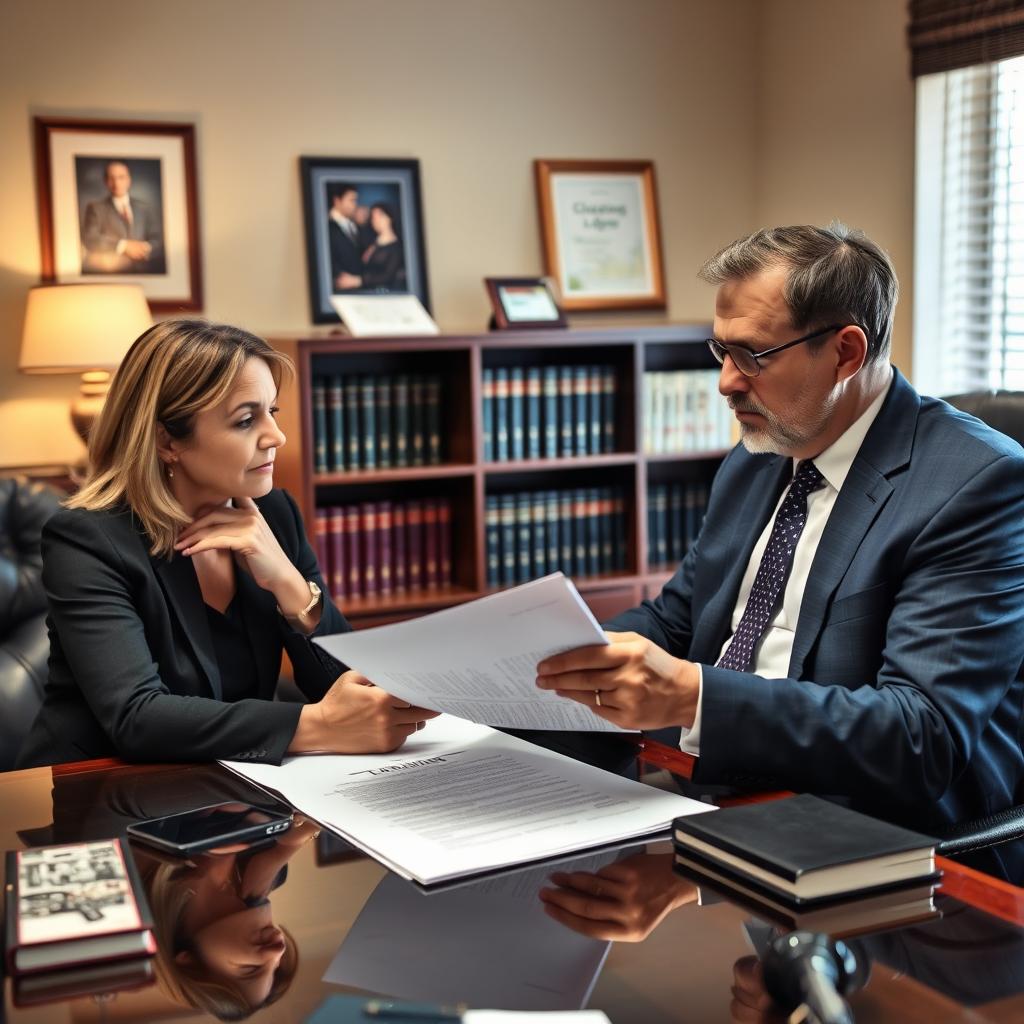
Classified Materials Lawyer Camden County
You need a Classified Materials Lawyer Camden County if you face charges for mishandling government secrets. Law Offices Of SRIS, P.C. —Advocacy Without Borders. These are federal offenses prosecuted in U.S. District Court with severe penalties. A Camden County defense requires immediate action to protect your rights and freedom. Our team builds a defense based on the specific facts of your case. (Confirmed by SRIS, P.C.)
What Are Classified Materials Charges Under Federal Law?
Classified materials cases in Camden County are governed by federal statutes, not New Jersey state law. The primary charges fall under the Espionage Act and related national security laws. These laws protect information vital to U.S. defense and foreign relations. Violations are investigated by agencies like the FBI and DOJ. Prosecution occurs in the federal court system. Understanding the exact statute is the first step in any defense.
18 U.S.C. § 793(e) — Federal Felony — Up to 10 years imprisonment. This statute criminalizes the unauthorized possession or willful retention of national defense information. The information must be willfully communicated or retained with reason to believe it could harm the United States. It is a key tool for prosecutors in classified documents cases. The classification level of the material is a critical factor.
The government must prove you had unauthorized possession of defense information. They must also show you knew the information was protected. Your intent in retaining or handling the materials is often the central dispute. A Classified Materials Lawyer Camden County dissects the government’s evidence on these points. We challenge the alleged willfulness and the claimed harm to national security.
What does “unauthorized possession” mean in these cases?
Unauthorized possession means holding documents without proper security clearance or a need-to-know. It applies even if you originally had authorization but it lapsed. Simply having boxes of documents in a home or Location can trigger this charge. The government does not need to prove you read or used the documents. Your mere control over them can be enough for an indictment. A defense often focuses on the circumstances of storage and access.
How does the government prove “willful retention”?
The government proves willful retention by showing you knowingly kept documents you were obligated to return. This involves evidence like communications, security briefings, or handling procedures. They look for actions demonstrating you knew the materials were classified and kept them anyway. Mistake or negligence are potential defenses against a willfulness finding. A skilled attorney attacks the proof of your knowledge and intent. Every email and witness statement becomes part of the battle.
What other federal laws might apply?
Prosecutors often use 18 U.S.C. § 1924 for unauthorized removal and retention of classified materials. This statute applies to government employees and contractors. It carries penalties of up to 5 years imprisonment. Charges under 18 U.S.C. § 793(d) for obtaining defense information to harm the U.S. may also apply. The specific charges depend on your former position and the documents involved. A layered defense strategy addresses all potential statutes.
The Federal Court Process in Camden County
Classified materials cases for Camden County residents are heard in the U.S. District Court for the District of New Jersey. This federal court handles all serious national security matters in the state. The process is distinct from New Jersey’s county courts. It follows the Federal Rules of Criminal Procedure. Timelines and procedures are strict. Having an attorney familiar with this specific federal venue is non-negotiable. Learn more about Virginia legal services.
The U.S. District Court for the District of New Jersey – Camden Vicinage is located at 401 Market Street, Camden, NJ 08101. This is where arraignments, hearings, and trials occur. The building houses multiple courtrooms and judges. All filings must comply with federal and local court rules. Procedural missteps can damage your case before it even begins. We know the clerks, the procedures, and the expectations of this court.
The timeline from investigation to trial is lengthy in federal cases. An FBI investigation can take months or years before an arrest. After an indictment, the arraignment occurs quickly. Discovery involves reviewing vast amounts of evidence, often including classified materials under the Classified Information Procedures Act (CIPA). Pre-trial motions are complex and critical. Trial dates are set by the court’s calendar, often many months out. We manage this timeline aggressively to protect your interests.
Filing fees and court costs are part of federal litigation. The criminal filing fee is set by statute. Other costs can include fees for transcripts, filings, and experienced witnesses. The financial aspect is a consideration in planning your defense. We provide clear explanations of anticipated costs during your case review. Our goal is effective representation without financial surprises.
What is the first court appearance after an arrest?
The first appearance is an arraignment before a federal magistrate judge. You will be formally advised of the charges against you. The judge will address bail and detention issues at this hearing. You will enter a plea of not guilty. This hearing sets the stage for all future proceedings. Having counsel present who can argue effectively for your release is vital.
How long does a federal classified materials case take?
A federal classified materials case typically takes one to two years from indictment to resolution. The CIPA process for handling classified evidence adds significant time. Pre-trial motions on constitutional and evidentiary issues can take months to brief and argue. The government’s case is often document-intensive, requiring thorough review. We work to advance your case efficiently while building the strongest defense. Delays usually benefit the defense by allowing more time to challenge the prosecution’s case.
What are the key pre-trial motions in these cases?
Key motions include motions to suppress evidence obtained from searches or seizures. Motions to dismiss the indictment for legal insufficiency are also common. Challenges to the handling of classified information under CIPA are critical. Motions concerning the admissibility of experienced testimony on classification and intent are filed. We litigate these motions to narrow the issues before trial. Winning a pre-trial motion can severely weaken the government’s case or end it entirely. Learn more about criminal defense representation.
Penalties and Defense Strategies for Classified Materials Charges
The most common penalty range for a conviction under 18 U.S.C. § 793 is 37 to 46 months imprisonment under the Federal Sentencing Guidelines. However, judges have discretion, and penalties can vary widely. Fines can reach $250,000 per count for individuals. Supervised release follows any prison term. The collateral consequences include loss of security clearance, professional licenses, and voting rights. The stakes demand a strategic defense from the outset.
| Offense | Penalty | Notes |
|---|---|---|
| 18 U.S.C. § 793(e) Unauthorized Possession | Up to 10 years imprisonment, $250,000 fine | Sentencing Guidelines calculate range based on offense level. |
| 18 U.S.C. § 1924 Unauthorized Removal by Employee | Up to 5 years imprisonment, $250,000 fine | Applies to U.S. government employees and contractors. |
| Conspiracy to Violate Espionage Act | Same as underlying offense | Often charged when multiple people are involved. |
| Making False Statements (18 U.S.C. § 1001) | Up to 5 years imprisonment | Common add-on charge related to investigations. |
[Insider Insight] Federal prosecutors in the District of New Jersey pursue classified materials cases aggressively. They seek prison time to deter others. Their focus is on proving willfulness and the sensitivity of the documents. Early engagement with the prosecution to discuss the weaknesses in their case can be beneficial. We know the attorneys in the U.S. Attorney’s Location and their approaches. This local insight informs every negotiation and court filing.
Defense strategies begin with challenging the element of intent. We argue you lacked the willfulness required by the statute. We examine the chain of custody and handling of the alleged documents. We challenge the classification status and whether the information truly could harm national defense. Motions to suppress evidence from improper searches are filed. We explore every avenue, including pre-trial diversion or negotiation, if it serves your interests.
What factors increase the sentencing guidelines range?
The volume and sensitivity of the classified materials significantly increase the guidelines. The number of documents and their classification levels (Top Secret, Secret) are scored. Your alleged intent to harm the U.S. or aid a foreign nation is a major enhancer. Obstruction of justice during the investigation adds levels. Your criminal history category is a factor. We work to minimize these enhancers through factual and legal arguments.
Can you avoid prison with a plea agreement?
A plea agreement can sometimes avoid prison, but it is challenging in national security cases. The government may offer a reduced charge in exchange for cooperation or a guilty plea. The final sentence is always up to the judge, who considers the guidelines. We negotiate from a position of strength, using evidentiary weaknesses as use. The goal is the best possible outcome, which may involve capping potential prison time. Every case and every negotiation is unique.
What are the collateral consequences of a conviction?
Collateral consequences include permanent loss of any security clearance. You will be barred from most federal employment and many government contracts. Professional licenses in law, finance, or engineering may be revoked. You may lose the right to vote and possess firearms. International travel becomes difficult. Your reputation and future employment prospects are severely damaged. Mitigating these consequences is a core part of our defense planning. Learn more about DUI defense services.
Why Hire SRIS, P.C. for Your Camden County Classified Materials Defense?
Our lead attorney for federal defense has over 15 years of experience litigating complex cases in U.S. District Court. This includes direct experience with the procedures of the Camden vicinage. We understand the gravity of a federal indictment and the resources the government brings to bear. Our team approach ensures every legal angle is examined. We prepare for trial from day one, which is the only way to force favorable outcomes. You need a firm that is not intimidated by the Department of Justice.
Attorney Profile: Our federal practice lead has represented clients in investigations by the FBI, DOJ, and DOD. This attorney has handled cases involving the Espionage Act and the Classified Information Procedures Act. They have negotiated with Assistant U.S. Attorneys and argued before federal judges. Their background includes rigorous motion practice and trial advocacy. They guide clients through the immense pressure of a federal prosecution.
SRIS, P.C. has a track record of defending clients in serious federal matters. We analyze the prosecution’s evidence with a critical eye. We identify flaws in the government’s theory of the case. We retain qualified experienced attorneys when necessary to challenge technical assertions about classification. Our commitment is to provide a vigorous defense without borders, using our knowledge of federal law. We stand between you and the full weight of the government.
The firm differentiates itself through its direct, no-nonsense approach. We give you honest assessments, not false hope. We explain the process, the risks, and the strategies in clear language. You will work directly with your attorney, not paralegals. We are accessible and responsive because these cases move quickly. When you hire a Classified Materials Lawyer Camden County from our firm, you hire a fighter.
Localized FAQs on Classified Materials Charges in Camden County
What should I do if the FBI contacts me about classified documents?
Politely decline to answer questions and immediately request an attorney. Do not consent to any search of your property. Contact a federal defense lawyer before any further communication. Anything you say can be used against you.
Can I be charged if I didn’t know the documents were classified?
Lack of knowledge is a potential defense to “willful” retention charges. The government must prove you knew the nature of the materials. Your background and training are relevant. An attorney can develop this defense based on the facts. Learn more about our experienced legal team.
Will my case definitely go to trial in federal court?
Not all federal cases go to trial. Many are resolved through pre-trial motions or plea negotiations. The decision to go to trial is strategic and based on the evidence. Your attorney will advise you on the best path after case review.
How much does it cost to hire a classified materials lawyer?
Federal defense requires a significant investment due to its complexity. Costs depend on the case stage, evidence volume, and need for experienced attorneys. SRIS, P.C. provides a clear fee structure during your initial consultation by appointment.
What is the CIPA process in my case?
The Classified Information Procedures Act governs how classified evidence is used in court. It involves secure filings, clearances for defense counsel, and hearings before the judge. Your attorney must be familiar with CIPA to defend you effectively.
Proximity, Contact, and Critical Disclaimer
Our team serves clients facing federal charges in Camden County. While SRIS, P.C. does not maintain a physical Location in Camden, we represent clients throughout New Jersey in federal court. We are familiar with the Camden courthouse and the local federal procedures. We meet with clients by appointment at a convenient and secure location to discuss their case.
If you are under investigation or charged with a classified materials offense, time is critical. Consultation by appointment. Call 856-334-1657. 24/7. We will discuss your situation and the immediate steps necessary for your defense.
Law Offices Of SRIS, P.C.
Advocacy Without Borders.
Phone: 856-334-1657
Past results do not predict future outcomes.