
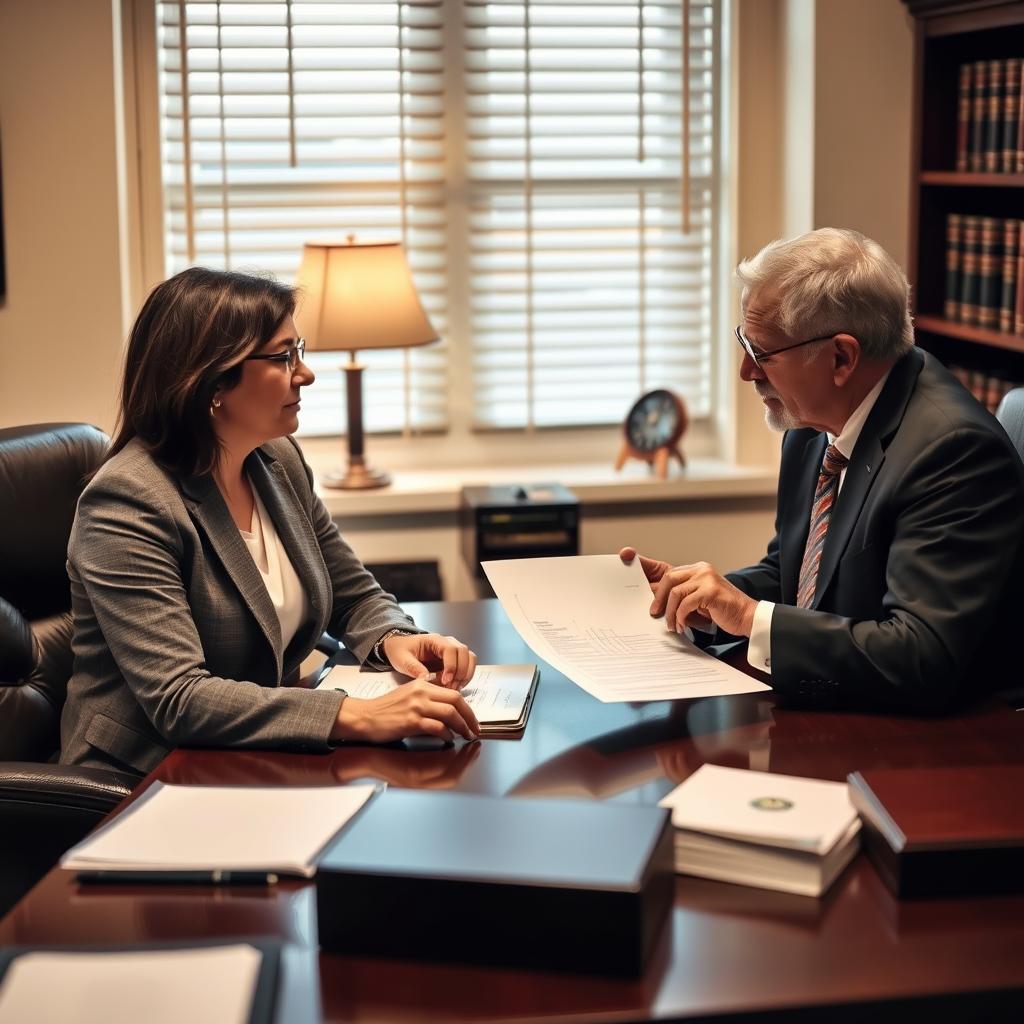
Classified Materials Lawyer Mercer County
You need a Classified Materials Lawyer Mercer County if you face charges for mishandling government secrets. These are federal offenses prosecuted in U.S. District Court, not local Mercer County courts. Law Offices Of SRIS, P.C. —Advocacy Without Borders. provides defense against charges under the Espionage Act and related statutes. Convictions carry severe prison terms and fines. (Confirmed by SRIS, P.C.)
Statutory Definition of Classified Materials Offenses
Classified materials cases in Mercer County are governed by federal law, primarily 18 U.S.C. § 793(e) — a felony — with a maximum penalty of 10 years imprisonment per count. This statute criminalizes the unauthorized possession and willful retention of national defense information. The law is not concerned with where you found the documents. It focuses on your knowledge of their classified nature and your failure to return them to the proper authorities. The government must prove you had reason to believe the information could harm the United States or aid a foreign nation. This is a specific intent crime, making your state of mind a central issue. A Classified Materials Lawyer Mercer County must attack the “willfulness” element of the government’s case.
The core federal statute is 18 U.S.C. § 793(e), part of the Espionage Act. It defines the unlawful gathering, transmitting, or losing of defense information. Subsection (e) specifically addresses unauthorized possession. Each separate document can constitute a separate count. Prosecutors often stack charges under 18 U.S.C. § 1924 for unauthorized removal and 18 U.S.C. § 1519 for destruction or concealment. This multiplies potential penalties. The classification level of the material impacts sentencing severity under the U.S. Sentencing Guidelines.
What constitutes “unauthorized possession” under the law?
Unauthorized possession means holding documents you are not cleared to have or storing them in an unapproved location. You do not need to steal the materials to be charged. Simply keeping documents past your authorization or storing them in a private residence is sufficient. The government must show you knew you lacked authority. A common defense is demonstrating a lack of criminal intent or mistaken belief of authority.
How does the government prove “intent to harm” national security?
The government rarely needs to prove specific intent to harm. Under 18 U.S.C. § 793(e), they must prove you knew the information could be used to injure the U.S. or aid a foreign power. This is a lower standard. Prosecutors use circumstantial evidence like the sensitivity of the documents, your handling of them, and any statements you made. They argue that your mere retention created a risk of exposure. A skilled attorney challenges the inference of knowledge and intent.
What is the difference between classified and national defense information?
All classified information is considered national defense information, but not all national defense information is formally classified. The statute covers both. Information related to national security can be protected even without a formal classification marking. This broadens the scope of what prosecutors can charge. This legal nuance is critical for building a defense strategy.
The Insider Procedural Edge in Federal Court
Classified materials cases from Mercer County are heard at the U.S. District Court for the District of New Jersey, Trenton Vicinage, located at 402 East State Street, Trenton, NJ 08608. This federal court operates under the Federal Rules of Criminal Procedure, not New Jersey state rules. The timeline is controlled by the Speedy Trial Act, which sets strict deadlines for indictment and trial. Filing fees are not typically assessed to defendants in criminal cases. The initial appearance and arraignment happen here. All pre-trial motions, including critical motions to suppress evidence or dismiss charges, are filed with this court. The judges have extensive experience with complex national security cases. Understanding their preferences is key. Learn more about Virginia legal services.
The procedural path is rigid. After a federal arrest or summons, you will have an initial appearance. A detention hearing often follows to determine if you will be released before trial. For classified materials cases, the government frequently seeks pretrial detention, arguing you are a flight risk or danger to the community. Your attorney must be prepared to argue for bail immediately. The case will then proceed to a grand jury for indictment. Discovery in these cases is governed by the Classified Information Procedures Act (CIPA). This act creates a secure process for handling sensitive evidence. It requires your attorney to obtain a security clearance. SRIS, P.C. has attorneys with the necessary clearances to review all evidence. Missing a CIPA deadline can cripple a defense.
What is the typical timeline for a federal classified materials case?
A federal classified materials case can take over a year to reach trial. The Speedy Trial Act requires trial within 70 days of indictment, but complex case exemptions are common. CIPA proceedings add months for clearance approvals and secure filings. Pre-trial motions on evidence and constitutional issues extend the timeline further. Most cases are resolved through plea negotiations before a trial date.
How does the Classified Information Procedures Act (CIPA) affect my defense?
CIPA mandates a separate, secret process for using classified evidence at trial. Your attorney must file notices of intent to use such evidence. The court may hold closed hearings. The government can propose substitutions or summaries for sensitive details. handling CIPA requires an attorney familiar with national security law. Mistakes can lead to the exclusion of your own evidence.
Will my case be heard by a judge or a jury?
You have a constitutional right to a jury trial in federal court. The jury will be selected from the District of New Jersey. However, CIPA issues are often argued before the judge alone in closed sessions. The jury will never see evidence the court rules is too sensitive for open court. This makes pre-trial rulings by the judge critically important.
Penalties & Defense Strategies for Mercer County
The most common penalty range for a conviction under 18 U.S.C. § 793 is 63 to 78 months in federal prison, based on the U.S. Sentencing Guidelines. Sentencing is not discretionary like in state court. Judges calculate a guideline range using a points system. The base offense level is high for national security crimes. Enhancements for the volume and sensitivity of materials can add years. Supervised release after prison is mandatory, often for three years. Fines can reach $250,000 per count for individuals. A conviction also results in the permanent loss of security clearances and many professional licenses. Learn more about criminal defense representation.
| Offense | Penalty | Notes |
|---|---|---|
| 18 U.S.C. § 793(e) (Unauthorized Possession) | Up to 10 years imprisonment per count | Base offense level starts at 30 under Sentencing Guidelines. |
| 18 U.S.C. § 1924 (Unauthorized Removal) | Up to 5 years imprisonment, fine, or both | Often charged alongside § 793 for documents moved to unauthorized locations. |
| 18 U.S.C. § 1519 (Destruction/Alteration) | Up to 20 years imprisonment | Applied if documents were shredded, deleted, or concealed. |
| Ancillary Penalties | Loss of voting rights, firearm rights, professional licenses | Collateral consequences are severe and permanent. |
[Insider Insight] Federal prosecutors in the District of New Jersey pursue classified materials cases aggressively. They work closely with FBI and DOJ National Security Division attorneys. Their primary goal is a conviction and prison sentence. They are less likely to offer favorable plea deals early on. Defense strategy must focus on challenging the intent element and procedural errors during the investigation. The search and seizure of classified materials often involves complex Fourth Amendment issues. Was the warrant valid? Was the scope of the search exceeded? These technical arguments can lead to evidence being suppressed. Without the physical documents, the government’s case may collapse.
What are the sentencing guidelines for a first-time offender?
A first-time offender still faces a high guideline range. With no criminal history, the range might be 63-78 months for a mid-level offense. However, the quantity and level of classification (Top Secret vs. Confidential) can push the range higher. Judges have some discretion but usually stay within the calculated range. A compelling mitigation package is essential.
Can I avoid prison with a plea bargain in a classified case?
Prison time is likely even with a plea. The government may agree to drop some counts in exchange for a guilty plea to one. This can cap the maximum sentence. However, federal sentencing guidelines still apply. The best outcome from a plea is often a sentence at the low end of the guideline range. This requires skilled negotiation.
What is the single strongest defense against these charges?
The strongest defense is attacking the “willfulness” element. You must prove you lacked criminal intent. This could involve showing you believed you had authority, the documents were inadvertently mixed with personal items, or you were following outdated procedures. Mistake of fact is a complete defense. This requires a detailed reconstruction of events and document handling.
Why Hire SRIS, P.C. for Your Mercer County Defense
Our lead attorney for federal security cases is a former military JAG officer with direct experience handling classified material protocols. This background provides an insider’s understanding of the system accusing you. We know how security clearances work, how documents are tracked, and where government procedures often fail. This is not theoretical knowledge. It is practical experience applied to your defense strategy. SRIS, P.C. has defended clients in the U.S. District Court for the District of New Jersey. We understand the local federal prosecutors and judges. Learn more about DUI defense services.
Lead Federal Defense Attorney: Our team includes attorneys with backgrounds in national security law and prior service in government roles. They have navigated the Classified Information Procedures Act (CIPA) in multiple jurisdictions. This experience is critical for reviewing evidence and filing the necessary secure motions. We have the resources to challenge the federal government’s vast apparatus.
SRIS, P.C. approaches these cases with a specific focus on the investigation’s integrity. We immediately file motions to preserve evidence and challenge the legality of searches. We retain forensic experienced attorneys to analyze digital devices and document metadata. We build a narrative that explains your actions without criminal intent. Our goal is to create reasonable doubt on the key element of willfulness. We communicate the complex legal issues to you clearly. You will know every development in your case. Our firm is structured to provide the intensive focus a federal classified materials case demands. You are not just another case file.
Localized FAQs for Mercer County Residents
Will I be arrested at my home in Mercer County?
Federal agents may arrest you at your home or place of work. They typically coordinate with local police. Do not answer questions without your attorney present. Contact SRIS, P.C. immediately if you suspect you are under investigation.
Can I be charged if I accidentally took classified documents home?
Yes, if the government proves you knowingly retained them. Accident is a defense, but you must prove the lack of intent. The circumstances of discovery and your actions afterward are critical evidence.
How long does a federal investigation take before charges are filed?
Investigations can last months or years. The FBI and other agencies gather evidence before seeking an indictment. If you are contacted by investigators, legal counsel is essential immediately. Learn more about our experienced legal team.
What should I do if federal agents want to interview me?
Politely decline to answer questions and state you want an attorney. Call SRIS, P.C. at 609-683-8102. Anything you say can be used against you. Agents are trained to obtain incriminating statements.
Are state penalties different from federal penalties for this crime?
Classified materials are almost exclusively prosecuted under federal law. New Jersey state courts do not typically handle these cases. The penalties, procedures, and prison systems are entirely federal.
Proximity, CTA & Disclaimer
Our team serves clients in Mercer County from our regional base. The U.S. District Court in Trenton is centrally located for county residents. For a case review regarding federal charges, a Consultation by appointment is necessary. We will analyze the specifics of your situation and the government’s evidence. Call our line at 609-683-8102. We are available 24/7 for urgent matters, including arrests or investigator contacts.
Law Offices Of SRIS, P.C.—Advocacy Without Borders. provides defense in Mercer County and across New Jersey. Our attorneys are prepared to defend you in the federal system. Do not face these charges without experienced counsel. The stakes are your freedom and future.
Address for Court: U.S. District Court, District of New Jersey, Trenton Vicinage, 402 East State Street, Trenton, NJ 08608.
Past results do not predict future outcomes.